
Best Solar Generators & Portable Power Stations for Home Backup Power
Silent, fume-free backup power for your home, RV, and campsite.
Power outages, rising electricity bills, and the pull of off-grid life — more households than ever are turning to portable solar power. EcoSwatt is an independent review site dedicated to helping you find the best solar generators, portable power stations, and solar panels for your needs and budget. We publish in-depth reviews of the most popular models from BLUETTI, EcoFlow, and Jackery, compare foldable solar panels side by side, and maintain plain-English guides that explain battery capacity, wattage, and solar charging without the jargon.
New to Solar? Start Here
A solar generator is simply a portable power station — a big rechargeable battery with AC outlets and USB ports — paired with solar panels that recharge it from sunlight. No fumes, no noise, no fuel runs: just silent, clean electricity wherever you need it. The two numbers that matter most are capacity, measured in watt-hours (Wh), which tells you how much energy the battery stores, and output, measured in watts (W), which tells you what it can run. A 300Wh station keeps phones and laptops going for days; a 2000Wh unit can run a full-size refrigerator through an outage. If you are just getting started, these three guides answer the questions every beginner asks:
- What Size Portable Power Station Do I Need? — do the runtime math before you buy.
- Are Solar Generators Worth the Money? — honest cost-benefit breakdown.
- How Long Does It Take to Charge a Solar Generator? — wall, car, and solar charging times explained.

Shop by Category
Portable Power Stations
Portable power stations are the heart of any solar generator setup: a lithium battery, an inverter, and a charge controller in one grab-and-go box. Our portable power station reviews cover the full range, from pocket-size 300Wh units for camping weekends to 2000Wh+ home backup powerhouses that keep a refrigerator, Wi-Fi router, and lights running through a multi-day outage. We compare the specs that matter in the real world — usable capacity, continuous and surge output, recharge speed from wall, car, and solar, plus the weight you will actually carry. Standouts in our current lineup include the BLUETTI AC200L, a 2048Wh workhorse with 2400W output, and the compact EcoFlow RIVER 3, which recharges to full in about an hour.
Solar Panels
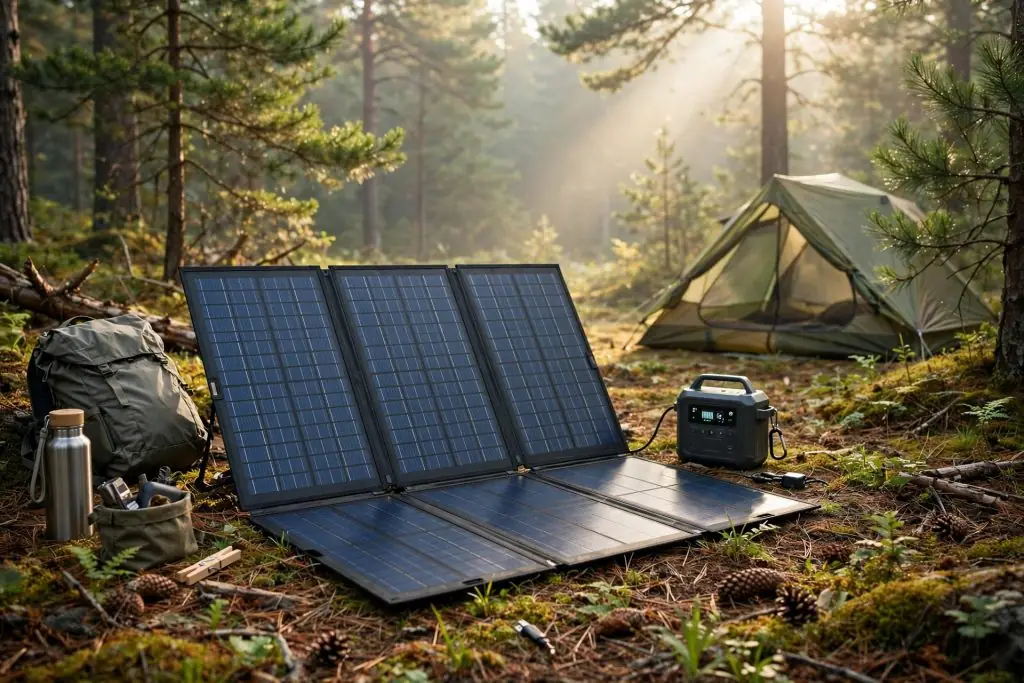
Solar panels are what turn a power station into a true solar generator, converting daylight into free electricity. We review rigid and foldable solar panels from Renogy, Jackery, and EcoFlow, focusing on the specs that determine real charging speed: wattage, cell efficiency, and weatherproofing. A 200W foldable panel in good sun can refill a mid-size power station in a single day, while smaller 100W panels are perfect for topping up phones and lanterns at camp. In our lineup, the Renogy 200W Portable Solar Suitcase stands out for its sturdy build and included charge controller, and the Jackery SolarSaga 200W impresses with bifacial cells that capture reflected light from below as well as direct sun.
Camping & Emergency Prep
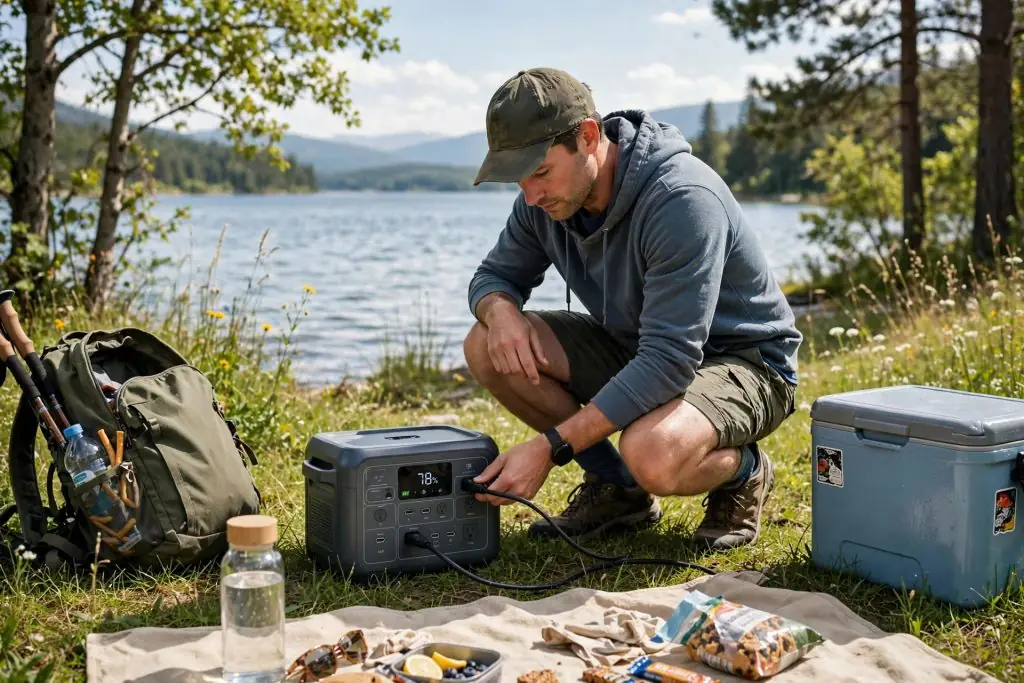
When the grid goes down or the trail calls, the right kit is a mid-size power station plus a foldable panel — enough for lights, phones, a 12V fridge, and a CPAP machine through the night. Our camping and emergency prep coverage pairs stations like the EcoFlow DELTA 2 (1024Wh, fast-charges in under an hour) and the Jackery Explorer 300 Plus (a lightweight 288Wh all-rounder) with the lanterns, fridges, and lights that complete the kit. We focus on runtime math: how many phone charges you get, how many hours of light, and whether your specific devices will run. If storms or blackouts are your worry, start with our home battery backup guides; if it is the outdoors, our camping picks balance weight against watt-hours.
Latest Reviews
BLUETTI AC200L Review
2048Wh LiFePO4 power station with 2400W output for whole-room backup.
EcoFlow RIVER 3 Review
245Wh compact station with 1-hour fast charging for grab-and-go power.
EcoFlow DELTA 2 Review
1024Wh station with 50-minute fast charging, a home-backup sweet spot.
Jackery Explorer 300 Plus Review
288Wh lightweight LiFePO4 unit for camping and road trips.
Renogy 200W Solar Suitcase Review
Foldable panel kit with 20A charge controller.
Jackery SolarSaga 200W Review
Bifacial solar panel with IP68 weatherproofing.
How We Review
Every review on EcoSwatt follows the same process. We start with the manufacturer’s published specifications — capacity, output, ports, weight, and warranty — and cross-check them against user feedback and retailer Q&As to catch the details spec sheets leave out. We then evaluate each product on the criteria that matter to buyers: usable capacity versus claimed capacity, recharge speed from wall outlet, car, and solar, port selection, and overall value for money. We do not operate a test lab and we do not claim laboratory measurements; our verdicts are analytical reviews based on verified data. When you buy through links on our site, we may earn a commission at no extra cost to you.
Solar Generator FAQs
What size portable power station do I need?
Add up the watt-hours your devices use, then buy 20–30% more capacity than that total. As a rule of thumb: 300Wh covers phones and laptops for a weekend; 1000Wh runs a mini-fridge and lights through an outage; 2000Wh or more handles a full-size refrigerator. Our sizing guide walks through the math step by step so you neither overpay nor come up short.
How long do solar generators last?
A quality LiFePO4 power station lasts 10 or more years — roughly 3,000 to 4,000 charge cycles before capacity drops to 80%. Solar panels degrade even more slowly and are typically warrantied for 25 years. In practice, the inverter electronics tend to age before the battery does. See how long solar generators last for the full breakdown by component.
Can a solar generator run a refrigerator?
Yes, if the station is big enough. A standard full-size fridge draws 100–200W while its compressor runs, so you need a 1000Wh or larger station for meaningful backup time — plus a way to recharge it. Our refrigerator runtime guide breaks down the exact numbers by fridge size.
How long does it take to recharge with solar panels?
In full sun, a 200W panel delivers roughly 150–180Wh per usable hour after conversion losses, so a 1000Wh station refills in about 6–7 hours of good sun. Larger panel arrays, higher-efficiency cells, and cooler temperatures all shorten that time. Details in our solar charging time guide.
Solar generator vs gas generator — which is better?
For quiet, indoor-safe, maintenance-free backup power, solar wins; for maximum wattage per dollar over multiple days, gas still leads. Most households are better served by a solar generator sized for essentials — fridge, phones, lights, Wi-Fi — because it can run inside the home with zero fumes. Our gas vs solar comparison puts the trade-offs side by side.
Do solar panels work on cloudy days?
Yes, at reduced output — typically 10–25% of rated wattage under heavy cloud. High-efficiency monocrystalline panels and larger arrays help close the gap, and even diffuse light keeps a trickle charge going. More in our guide to solar generators on cloudy days.